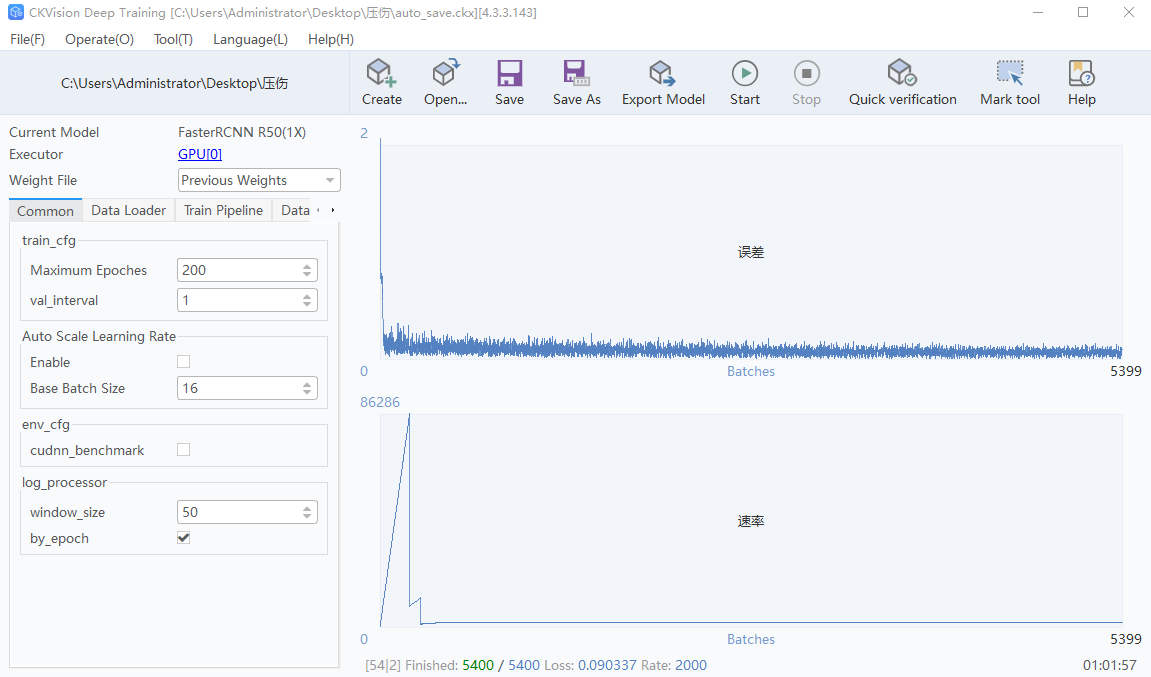
CKVision | Competency Framework & Practical Guidelines for Programmers in the Era of AI-Assisted Programming
Version: V1.0 | Release Year: 2026
Target Audience: All R&D Engineers of CKVISION
Preface
I. Clarify the Boundaries of AI-Assisted Programming
1.1 Tasks AI Excels At
- Rapidly generate SDK code frameworks of CKVisionBuilder according to clear functional requirements
- Create codes for general data processing such as image buffer management and detection result serialization
- Produce standardized communication encapsulation codes for PLC docking and MES data reporting
- Auto-generate unit test templates and standardized comment documents
- Output multiple implementation schemes for selection under given constraint conditions
1.2 Inherent Limitations of AI
- Unable to predict long-term imaging impacts caused by light source aging, temperature, humidity and switching frequency
- Only performs well on standard samples, failing to identify parameter failure risks on boundary workpieces
- Cannot distinguish root causes of occasional missed inspections reported by clients (illumination / vibration / workpiece size deviation)
- Incapable of quickly locating underlying physical causes from defective images
- Lacks long-term operation & maintenance perspectives, unable to evaluate long-term technical debts of short-term feasible solutions
| Comparison Dimension | Capabilities of AI | Core Value of Engineers |
|---|---|---|
| Code Generation Speed | Generates codes within seconds | Demand direction control & code quality audit |
| Algorithm Parameter Configuration | Output default values from documents | Precise parameter tuning combined with optical physics |
| Prejudgment of Abnormal Working Conditions | Cannot identify on-site disturbances | Accumulate production line experience to avoid failures in advance |
| System Architecture Design | Only fulfills demands while ignoring long-term costs | Global architecture planning & technical debt control |
| Root Cause Troubleshooting | Cannot independently locate faults | Core differentiated competitiveness |
II. Five Irreplaceable Core Competencies
2.1 Physical Intuition of Vision Algorithms (Hardest for AI to Replicate)
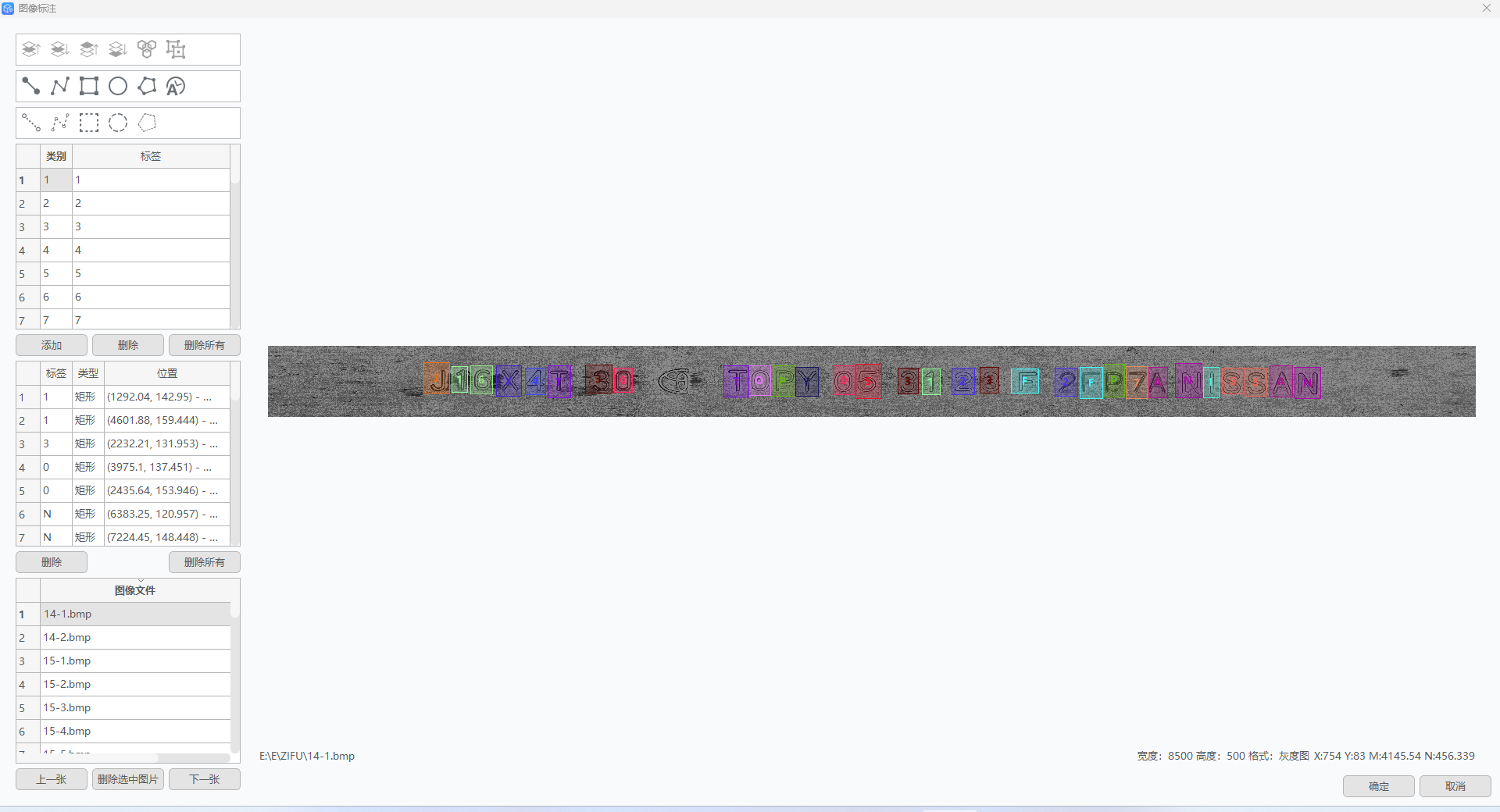
Definition: Quickly deduce underlying optical and hardware causes from defective images, instead of merely debugging algorithms.
Typical Production Line Scenarios:
- Different detection results of lithium battery pole pieces between morning and night: Prioritize investigating temperature impacts on CMOS dark current rather than repeated parameter adjustment
- Uneven gray scale of PCB solder joints: Optimize lighting based on polarized reflection principles instead of blindly boosting gain
- Unstable edge detection of highly reflective metals: Adjust light incident angle rather than modifying algorithms
- Fault Review Records: Record both fault phenomena and underlying physical causes to build a personal case library
- Deeply participate in on-site commissioning to accumulate real shooting experience on production lines
- Master basic optics thoroughly: Imaging logic of ring light, coaxial light, backlight and line light
- Understand physical influences of exposure, gain and frame rate on imaging quality
2. 2 Engineering Control of Parameter Space
- Build a parameter sensitivity map: Strict version control for highly sensitive parameters; low-sensitivity parameters can be optimized with AI assistance
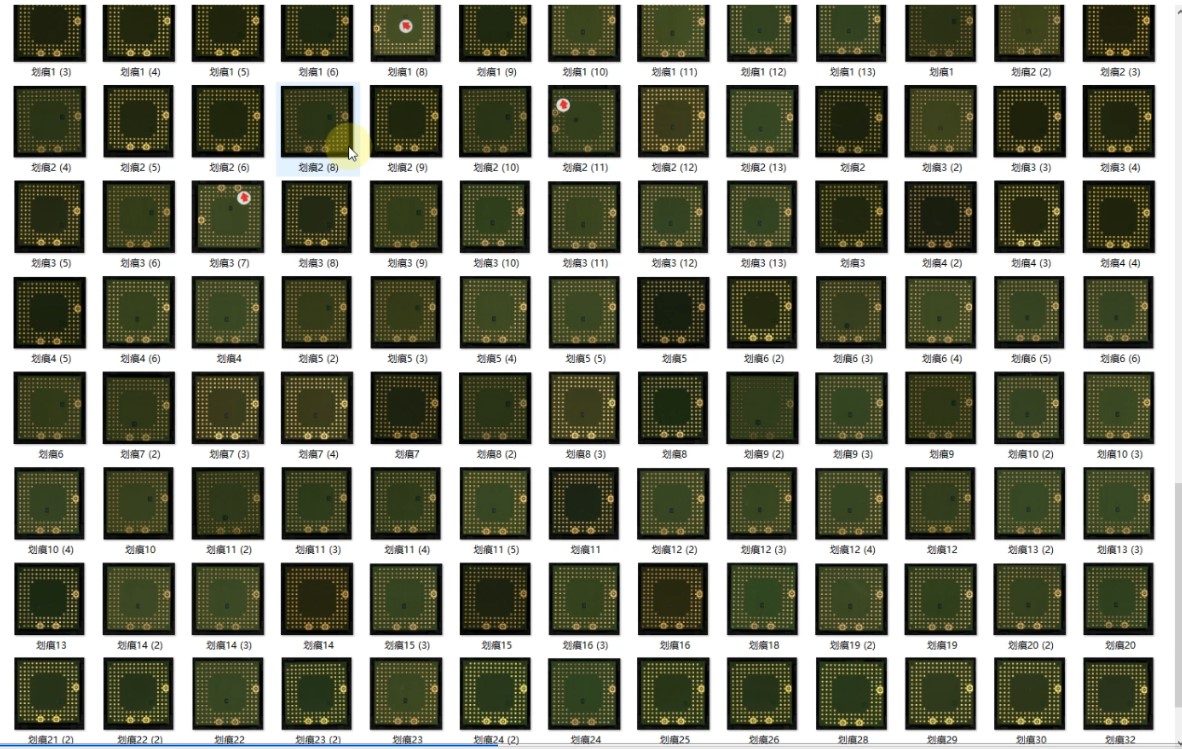
- Standardized parameter verification process: Build test sets covering all working conditions (standard samples, critical NG samples, various defects), draw performance curves through range scanning, balance precision & recall, and verify robustness across multiple batches
2.3 Pre-judgment of Various System Degradation Risks
AI assumes ideal production line environments; engineers need to pre-code defense logic for various on-site disturbances
Four Major System Degradation Scenarios:
- Hardware attenuation: LED brightness decay, lens dust accumulation, sensor dark current drift
- Batch differences of workpieces: Size tolerance, surface chromatic aberration, fixture wear offset
- Environmental interference: Production line vibration, ambient light change, temperature & humidity fluctuation
- Communication / collection exceptions: Camera frame loss, trigger offset, PLC communication timeout
2.4 Comprehensive Judgment of System Architecture
AI will rapidly implement flawed architectures, and architecture design is the final defense line to avoid systematic hidden dangers
Mandatory Integration Architecture Specifications:
- Thread Isolation: Decouple collection, processing and communication threads to prevent mutual blockage
- Asynchronous Communication: Adopt queue buffering between vision systems and PLC to avoid production line shutdown
- Fault Degradation: Activate safe operation mode when cameras or algorithms malfunction
- Full Observability: Embed logs, indicators and alarms in initial development
2.5 Standardized Verification & Quality Control
“Runnable code” does not equal a reliable industrial system; a complete verification system is the core literacy of engineers
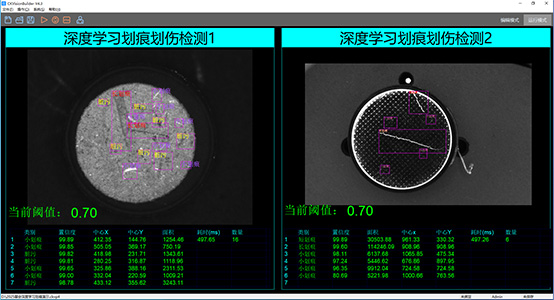
Multi-layer Verification Solutions: Boundary test, full-load pressure test, hardware attenuation simulation test, 72-hour long-term stability test
Core Asset: Standardized labeled sample library (critical NG/OK samples, multi-working-condition defect samples, complete version management, quarterly audit & update)
III. Efficient Engineering Collaboration Specifications with AI
- Predefined High-quality Requirements: Compile complete functional specifications (input & output, performance threshold, exception handling rules) as AI prompts before development
- Modular Split Development: Split tasks into independent units including image collection, ROI positioning and feature extraction for AI generation separately to facilitate independent verification
- Special Visual Code Review Checklist: Unified parameter configuration, full-branch image memory release, fallback logic for communication timeout, confidence output, retention of intermediate logs
- Build Team Knowledge Base for AI Collaboration: Record frequent errors of AI, efficient prompts, tasks suitable / unsuitable for AI development
IV. Maturity Classification & Growth Path of Engineer Competencies
| Competency Dimension | Junior (0-2 Years) | Intermediate (2-5 Years) | Senior (5+ Years) |
|---|---|---|---|
| Physical Intuition of Vision | Master basic imaging principles | Locate illumination & hardware problems via images | Locate root causes of complex faults within 30 seconds |
| Parameter Engineering | Basic parameter tuning | Design standardized parameter verification experiments | Build full parameter sensitivity control system |
| Pre-judgment of Abnormalities | Handle known faults | Design pre-defense mechanisms initiatively | Incorporate full-scenario constraints into system architecture |
| Architecture Design | Develop within given frameworks | Independently design module architectures | End-to-end overall design & technical debt control |
| Verification System | Basic functional test | Develop special test schemes | Build enterprise-level sample library & verification standards |
Growth Suggestions:
Junior: Root in production sites, accumulate fault cases, and fully understand underlying logic of AI-generated codes;
Intermediate: Build testing and parameter management systems, train architectural planning thinking;
Senior: Output team standards and precipitate reusable industry solutions.
V. Irreplaceability of Machine Vision Engineers
- Infinite brand-new physical working conditions exist on industrial production lines; AI can only generalize historical data, while human engineers must analyze and verify new defects and new process problems
- Engineers bear accountability for quality accidents; manual judgment & review must be reserved for key detection nodes
- Production line commissioning, defect samples and industrial process experience are core competitive assets of CKVision, which can only be continuously accumulated by engineers